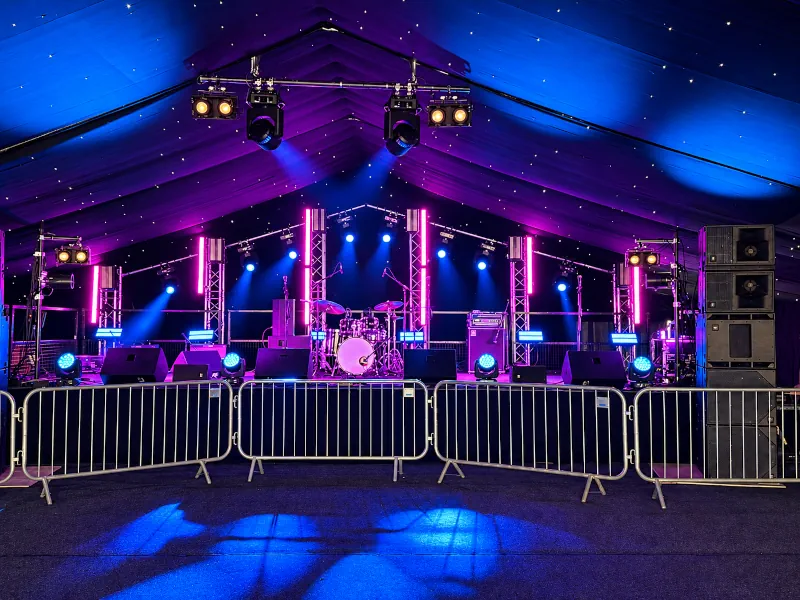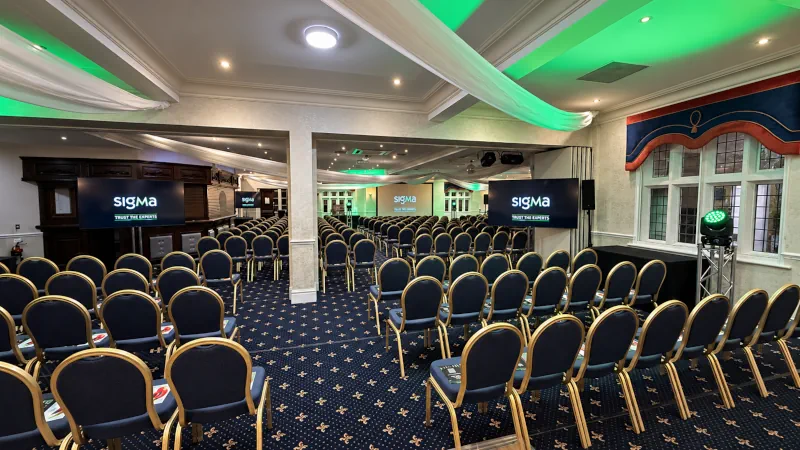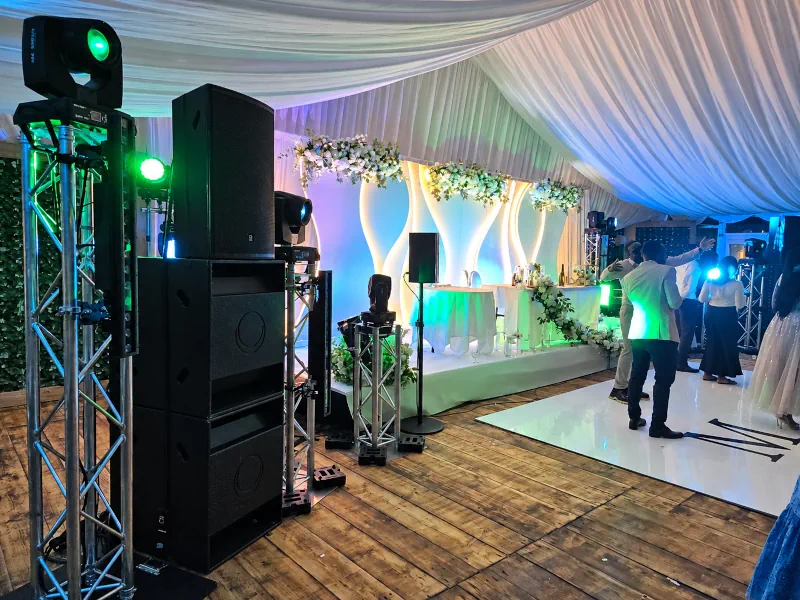
Whether you’re organising a conference, a wedding reception or a live music event, your audience needs to hear clearly. The right PA system helps a presentation feel effortless and gives a performance the impact it deserves.
Choosing a system involves more than comparing speaker sizes or wattage. The venue, audience layout and type of event all affect what you need.
Before booking PA system hire, these seven checks will help you explain your requirements and choose a setup that suits your event.
1. Explain what the PA system will be used for
Start by telling your supplier what will happen during the event. A microphone for speeches, background music at a reception and a live band all require different equipment and levels of support.
For presentations, clear speech is the priority. For DJs and live music, the system also needs to reproduce the music’s dynamics and low frequencies appropriately.
If your event includes several activities, explain the full schedule. You might need background music during arrivals, microphones for announcements and a larger sound system for an evening performance.
This gives your supplier a clearer picture than simply asking for “two speakers and a microphone”. It also helps identify any additional requirements before the equipment is booked.
2. Consider audience size and how the space will be used
Audience numbers are useful, but they don’t tell the whole story.
Two events with 200 guests may need quite different sound systems. One might have everyone seated close to a stage, while another has people spread across a long room or an outdoor site.
Think about where people will gather and what they need to hear. Does the sound need to cover a dance floor, a seated audience or several separate areas?
The aim is to provide suitable coverage throughout the intended listening area. Simply increasing the volume at the front can leave nearby guests uncomfortable without solving the problem further away.
Share an audience layout or site plan where possible. Your supplier can then consider speaker positions and whether additional speakers would help cover the space more evenly.
3. Tell your supplier about the venue and surroundings
The room or outdoor space has a significant effect on how a PA system performs.
A room with hard walls, glass and a high ceiling can sound very different from a carpeted conference room. Outdoors, there are fewer nearby surfaces reflecting sound back towards the audience, and weather conditions can affect the setup.
Useful information includes:
- Whether the event is indoors, outdoors or inside a marquee.
- The approximate dimensions and layout of the space.
- The stage or presentation position.
- Any sound restrictions set by the venue.
- Nearby homes, businesses or other stages.
If the venue has a sound limiter or a noise management plan, mention it early. Your supplier can take those requirements into account when planning the system and speaker positions.
Photographs are often helpful, particularly if the supplier hasn’t worked at the venue before.
4. Check microphones, mixing equipment and connections
A PA system is more than its speakers. You also need a suitable way to connect and control everything that will be heard.
Make a list of the sources you expect to use. These might include handheld microphones, a presenter’s headset, a laptop, DJ equipment or several instruments.
For a conference, consider how many people will speak at once. A panel discussion may need several microphones and someone to manage their levels. For a live band, ask for the technical rider or an input list so your supplier can check the mixing console, microphones and stage equipment required.
Playback connections matter too. Tell your supplier what device you’ll use for music or presentations, rather than assuming a particular cable or wireless connection will be available.
Where possible, have the actual playback device and files ready for testing before guests arrive.
5. Confirm whether performers need stage monitors
The audience sound system and the sound performers need on stage serve different purposes.
Musicians and vocalists may need monitor speakers so they can hear themselves and one another clearly. Some performers use in-ear monitoring, which should also be discussed in advance.
DJs may need a booth monitor, particularly when the main speakers are positioned ahead of or away from the DJ area.
Ask performers about their requirements before booking. Their technical rider should identify what they expect, but it’s worth checking that it reflects the lineup appearing at your event.
Sharing this information early helps avoid last-minute additions and allows the supplier to plan the mixing equipment and stage layout properly.
6. Decide whether you need a sound engineer
Some events have straightforward requirements. Others need someone actively managing the sound throughout.
If you’re hiring equipment to operate yourself, ask your supplier whether the proposed setup is suitable for your experience. You should understand how to connect the equipment, use it correctly and get support if needed.
For live bands, multiple speakers or events with frequent changes, an experienced sound engineer can make a substantial difference. They can manage microphone levels, balance different sources and respond when something changes during the event.
Be clear about the service you’re booking. Equipment collection, delivery and setup, and an operated production package involve different levels of support.
Confirm who will be responsible for the sound once the event begins.
7. Check access, setup time and everything included in the quote
Before confirming your booking, make sure the practical arrangements are covered.
Tell your supplier about stairs, lifts, loading restrictions and the distance from the unloading area to the event space. These details can affect the equipment choice, crew requirements and installation time.
Check suitable power arrangements with the venue, and allow time for setup, testing and any necessary soundcheck. A live band usually needs more preparation than a single microphone for announcements.
When comparing quotations, look beyond the headline price. Check whether each quote includes:
- The speakers, mixing equipment and microphones you need.
- Stands, cables and any stage monitors.
- Delivery, installation and collection.
- Sound engineers or other technical crew.
- The agreed hire period and any additional charges.
- VAT, where applicable.
A clear quotation should explain what will be supplied and who is responsible for each part of the job. That makes it easier to compare suitable packages and avoid unexpected costs.
Looking for PA System Hire for Your Event?
The most useful starting point is your event date, venue, audience size and a description of what you’re planning. If you have a site plan, running order or performer’s technical rider, share those too.
At Audioserv, we help customers choose sound systems that suit their audience, venue and budget. Based in Leeds, we supply PA hire and professional audio production for conferences, festivals, live performances and other events across Yorkshire and throughout the UK.
Explore our sound system hire options, find out about our event production services, or contact Audioserv to discuss your event.